
What Is Food Fortification and Enrichment?
Adding vitamins and minerals to strengthen nutrition
Understand the science behind one of the best ways to ensure you’re getting the vitamins and minerals you need.
For over a century, the addition of vitamins and minerals (aka micronutrients) to staple foods has helped prevent nutrient deficiencies. Today, enriched and fortified grain products continue to provide essential nutrients that many Americans would otherwise not get in adequate amounts.
Whether you are a consumer, food producer, miller, healthcare professional, or policymaker, this page answers common questions about food fortification, enrichment, folic acid, and more.
Frequently Asked Questions
What is the difference between food fortification and enrichment?
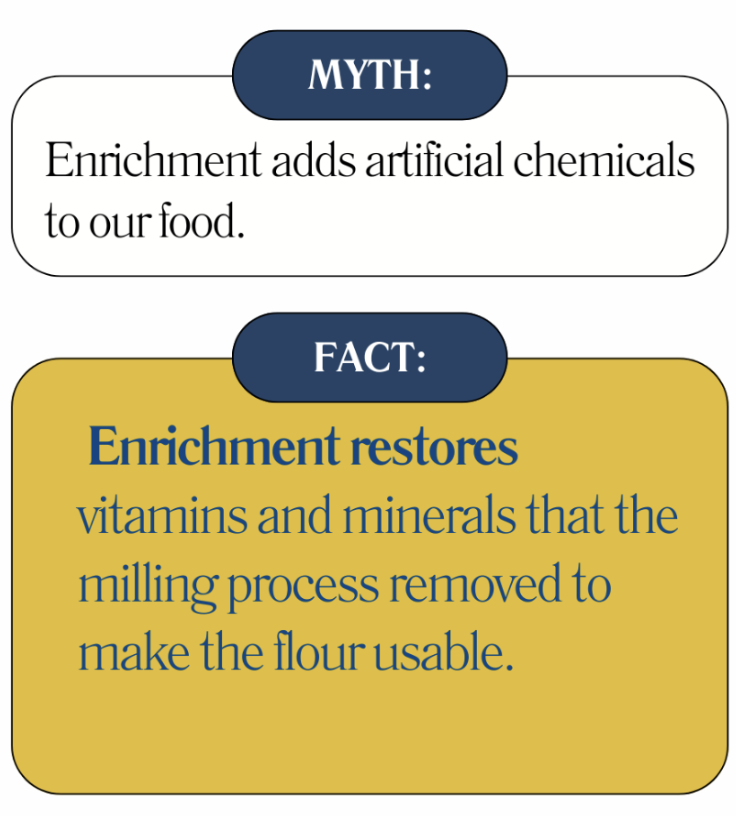
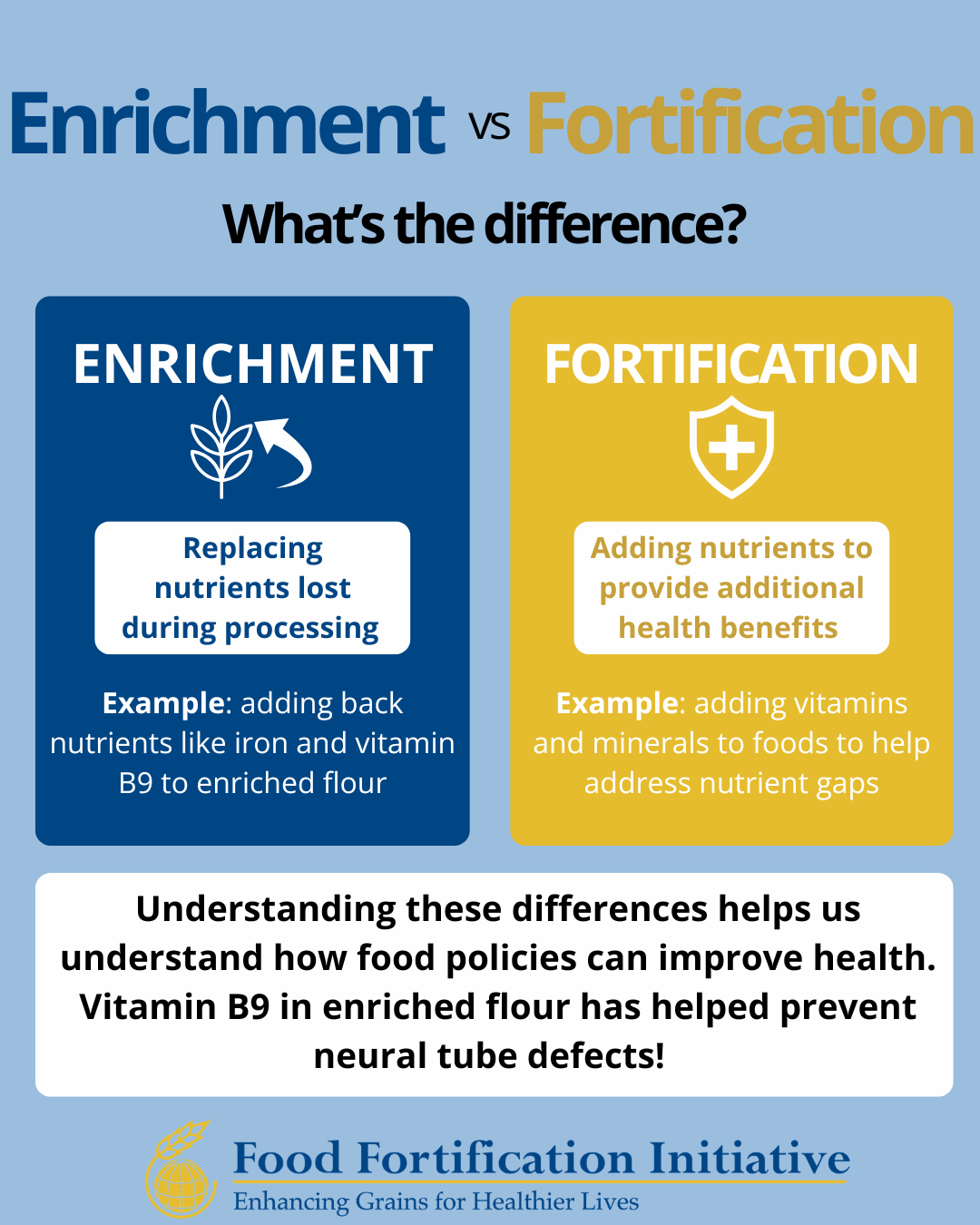
Answer: Food fortification and enrichment are similar processes, but they have distinct meanings. Enrichment refers to adding nutrients back into a food that were lost during processing. For example, when wheat is milled into white flour, some naturally occurring vitamins and minerals are removed. Enrichment restores nutrients such as thiamin, riboflavin, niacin, and iron to help return the flour’s nutritional value.
Fortification refers to adding nutrients that were not originally present in the food, or adding them in greater amounts than naturally occurred, to improve its nutritional value and support public health. A common example is folate, or vitamin B9, which is added in the form of folic acid to enriched grain products in the United States to help prevent neural tube defects. Because wheat flour does not naturally contain enough folate to provide this health benefit, adding folate is technically fortification, even though it is added to an enriched product.
In the United States, the terms fortification and enrichment are sometimes used interchangeably because many grain products undergo both processes. Throughout the FFI website, we generally use the term fortification when discussing the addition of essential vitamins and minerals that improve public health.
Does fortifying a food make it ultra-processed?
No. Adding vitamins and minerals to a food does not make it ultra-processed. Food fortification is intended to improve the nutritional quality of foods by adding essential micronutrients that help prevent deficiencies and support good health, not to fundamentally change the food itself.
Major food classification systems, including the NOVA classification, recognize that foods can still be considered unprocessed or minimally processed even when vitamins and minerals are added. The forms of vitamins and minerals used in food fortification are carefully selected because they are stable during processing and storage and help ensure consumers receive consistent amounts of essential nutrients. For example, folate is added as folic acid because other forms of folate are heat-sensitive and lost when food is cooked.
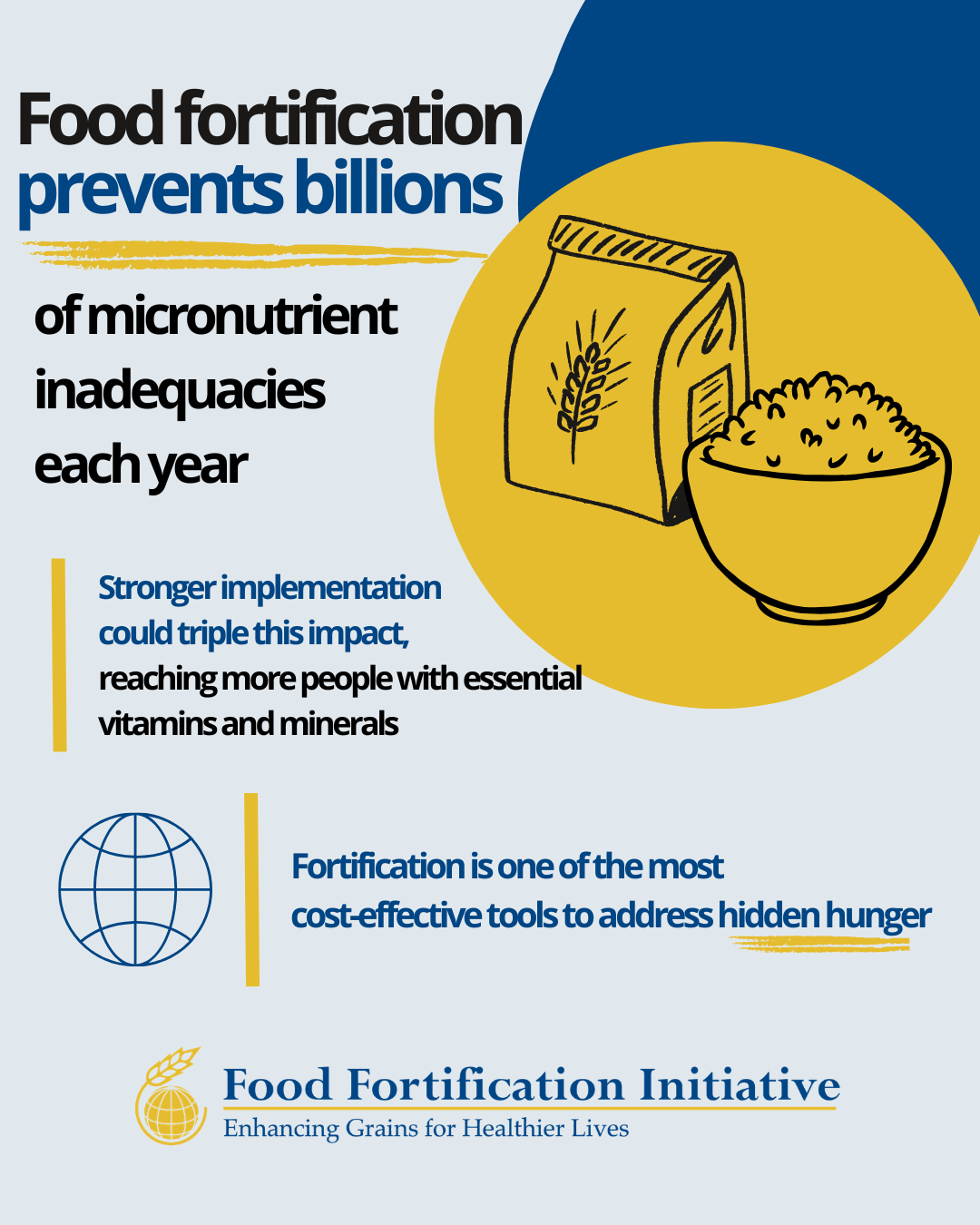
Fortification has safely and effectively strengthened nutrition for billions of people for more than 100 years by helping prevent conditions such as iodine deficiency disorders, pellagra, beriberi, iron deficiency, and folic acid-preventable neural tube defects. Removing fortification to achieve a simpler label reduces the nutritional quality of staple foods and increases the risk of micronutrient deficiencies across the population.
How will fortification benefit me?
Wheat and maize flours and rice are most commonly fortified with iron, folic acid, and other B vitamins. Iron improves your capacity for physical activity and productivity. Iron also facilitates children’s physical and mental development and improves the health of pregnant women. When iron deficiency causes severe anemia, it contributes to maternal deaths.
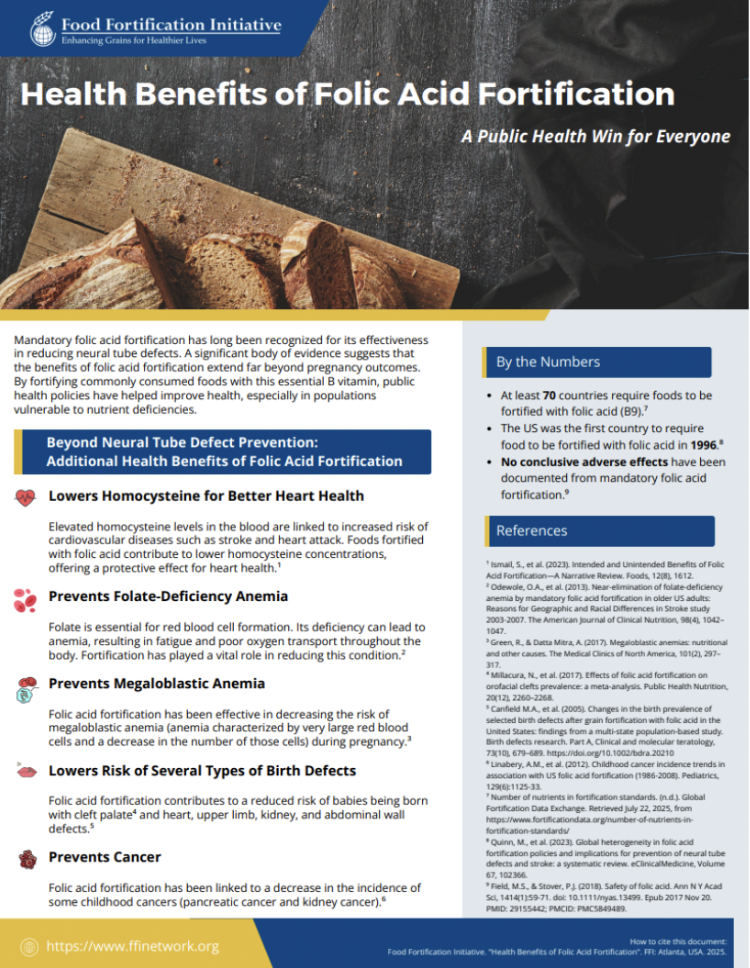
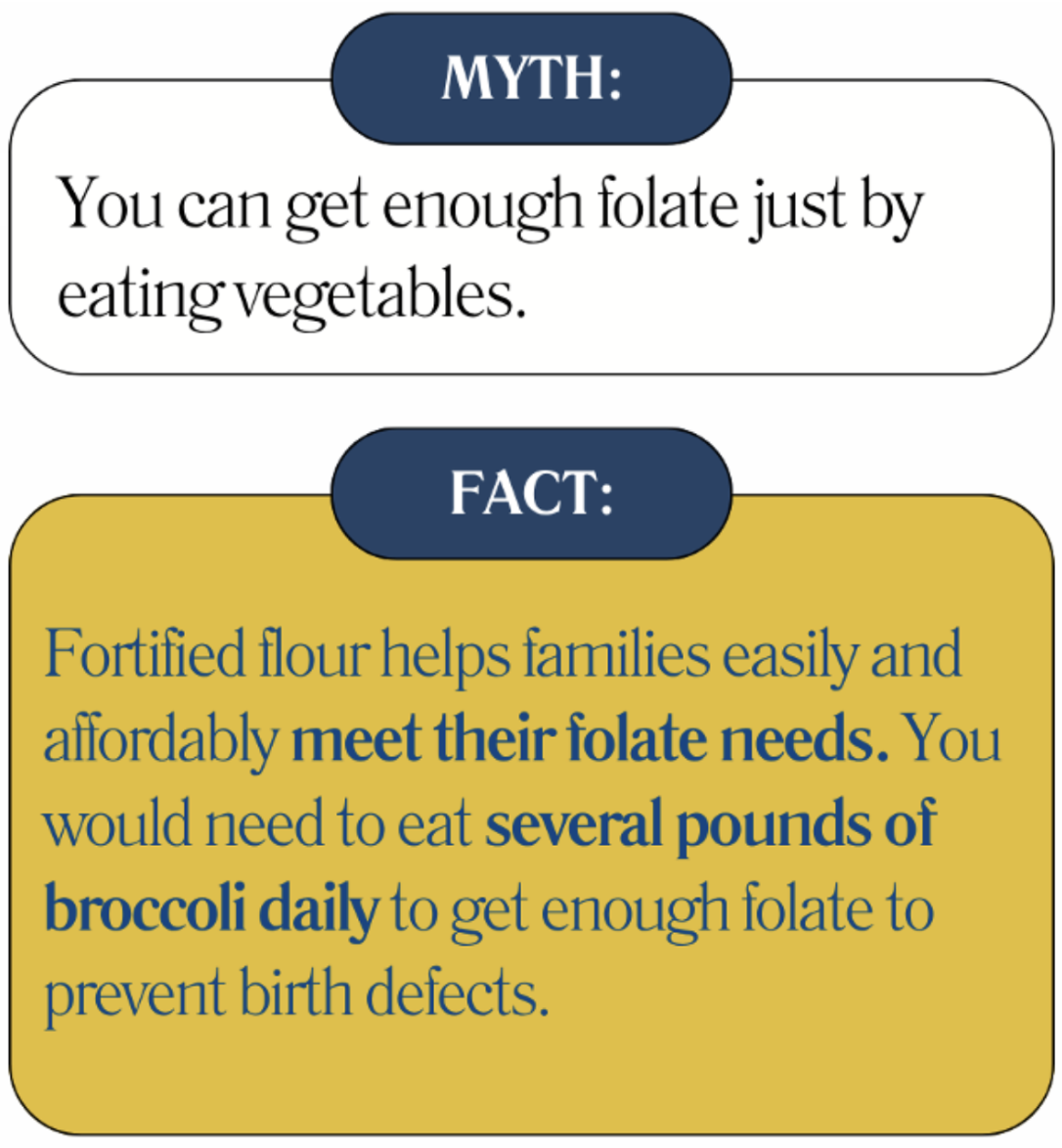
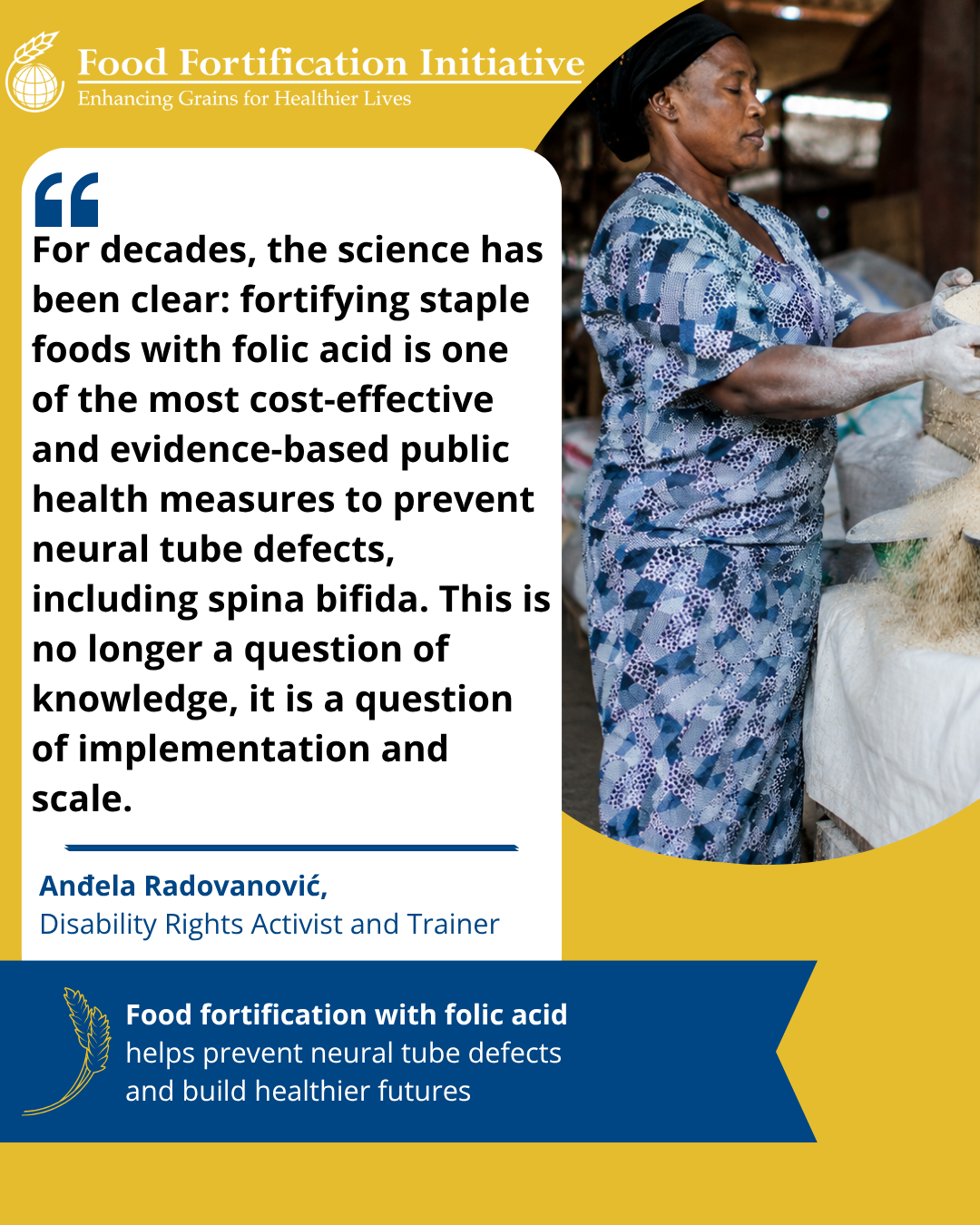
Folate (vitamin B9) is needed for the health production of cells. It reduces the prevalence of neural tube defects such as spina bifida and anencephaly. These birth defects are permanently disabling or fatal. Severe vitamin B9 deficiency also leads to anemia.
Other vitamins and minerals frequently used in fortification and their role in health include:
Niacin (vitamin B3) prevents the skin disease known as pellagra. Riboflavin (vitamin B2) helps with metabolism of fats, carbohydrates, and proteins. Note: Riboflavin is usually not added to rice as the orange color is too bright and will change the color of fortified rice. Thiamin (vitamin B1) prevents the nervous system disease called beriberi. Vitamin B12 maintains functions of the brain and nervous system. Vitamin D helps bodies absorb calcium, which improves bone health. Vitamin A deficiency is the leading cause of childhood blindness. It also diminishes an individual’s ability to fight infections. Zinc helps children develop, strengthens immune systems, and lessens complications from diarrhea.
Will fortification harm me?
Well-designed food standards ensure that the population will not consume an excess amount of vitamins and minerals from fortified foods alone. Studies and research in countries with long histories of fortification have established overwhelming evidence of the protective effect of fortification.
A study published in 2004 found that the “prevalence of excessive micronutrient intakes in current European diets is non-existent or extremely low, even for consumers choosing higher amounts of fortified foods. Diet-based models indicate that future increases in the proportion of foods fortified at levels between 10 and 50% RDA (recommended daily allowance) would not be expected to lead to excessive intakes for the majority of vitamins and minerals.”
In the United States, most wheat flour and many breakfast cereals are fortified with folate as folic acid. Also, vitamin supplements containing folic acid are widely available. Yet a population-based study found that less than 3% of U.S. adults exceeded the recommended upper level of folic acid intake. None reached that level by eating fortified foods; they only exceeded the level if they consumed high-dose supplements.
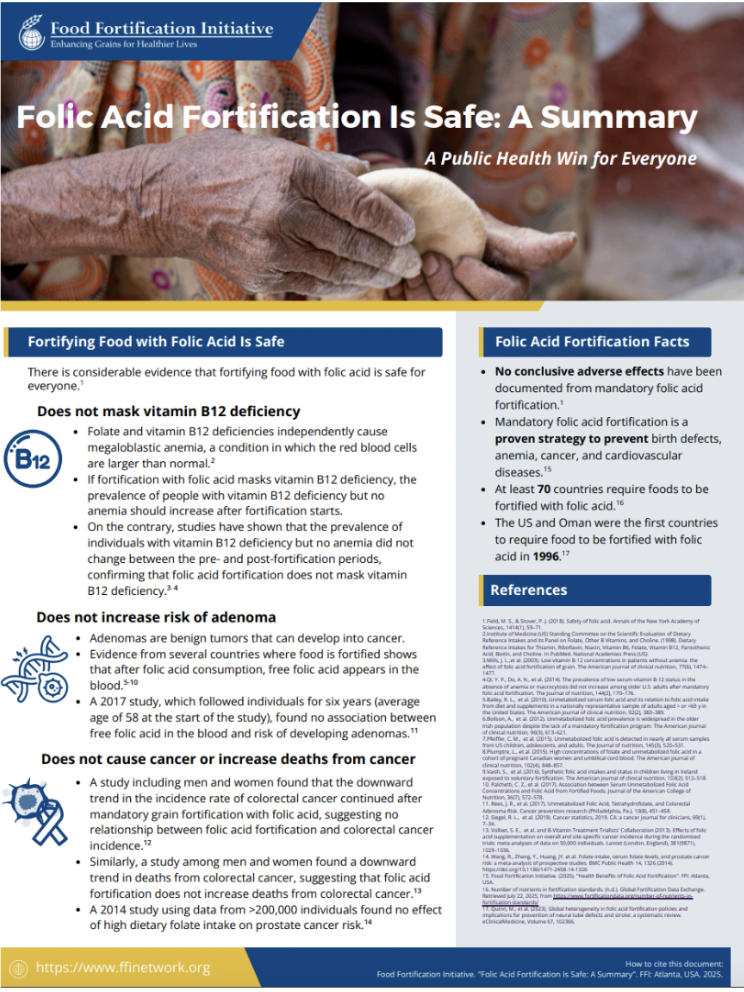
Does consuming folic acid-fortified foods have a negative impact on health?
There is scientific consensus that there is no evidence that consuming foods fortified with folic acid has a negative impact on health.
When considering mandatory fortification of cereal grains with folic acid, several governments have had scientific committees closely review available evidence on the safety of fortifying food with folic acid. These panels found no harmful effects of consuming foods fortified with folic acid. Five of the reports concluded that the benefits of fortifying with folic acid outweigh potential unforeseen risks. One report from the European Union concluded there was insufficient information to conduct a full risk assessment.
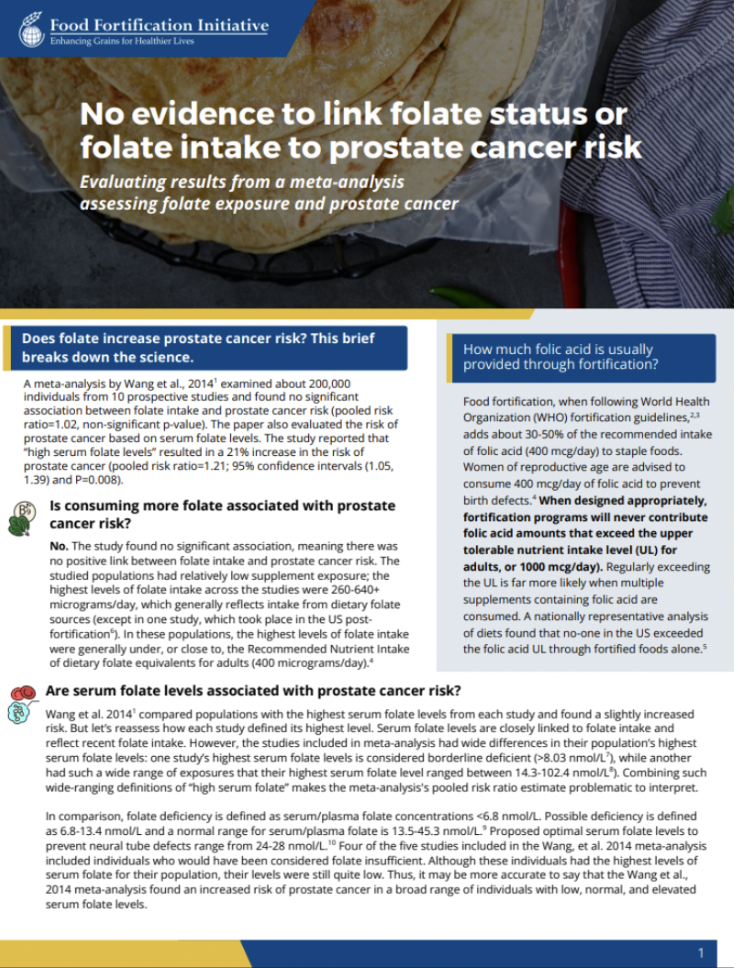
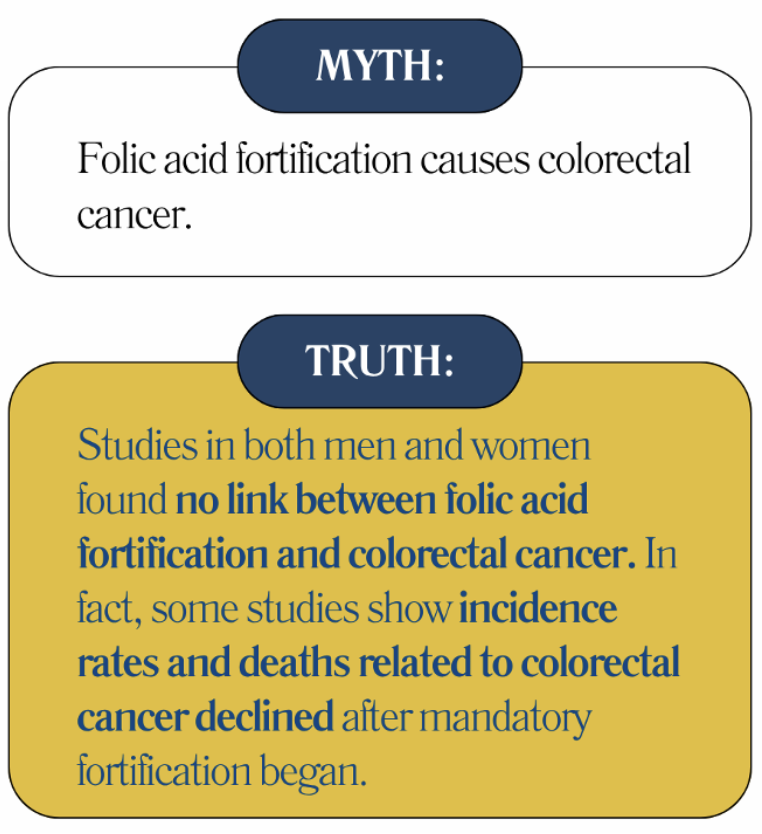
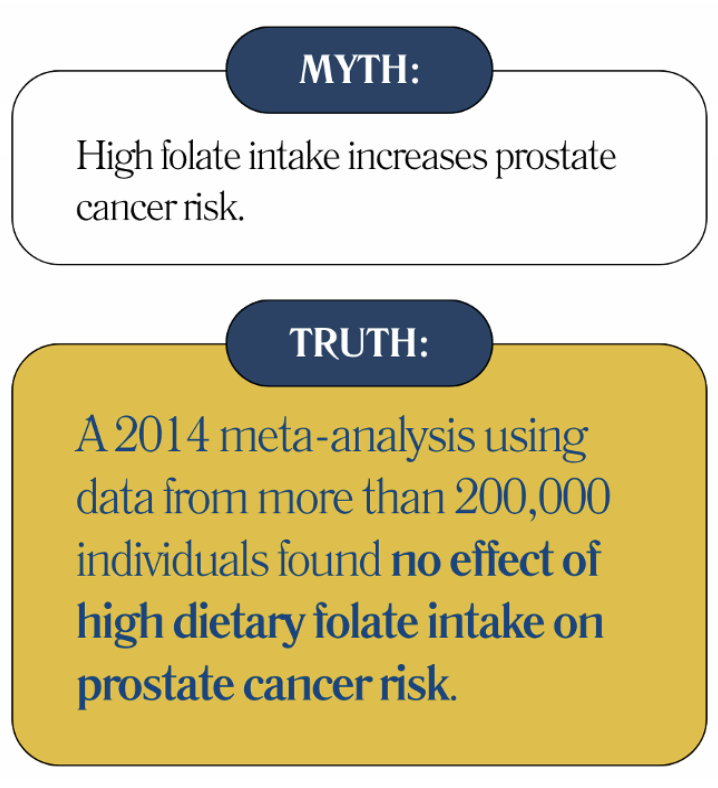
Some studies have linked high folate consumption (greater than 669 mcg/day) to colorectal [1] and prostate cancers [2]. However, researchers have not found clear evidence that higher levels of folate, either from dietary folate or from folic acid via fortification or supplementation, at the recommended amount (400 mcg/day) cause tumors to grow [3,4].
Furthermore, there is a scientific consensus that folate deficiency leads to negative DNA methylation changes that contribute to the development of cancer, and that folic acid protects against the formation of cancer cells [3,5].
Learn more: The Safety of Fortifying with Folic Acid (FFI)
References:
- Wien TN, et al. Cancer risk with folic acid supplements: a systematic review and meta-analysis. BMJ Open. 2012 Jan 12;2(1):e000653.
- Rycyna KJ, et al. Opposing roles of folate in prostate cancer. Urology. 2013 Dec;82(6):1197-203.
- Field MS, Stover PJ. Safety of folic acid. Annals of the New York Academy of Sciences. 2018;1414(1):59–71.
- US National Institutes of Health Office of Dietary Supplements. “Folate”. Accessed 23 December 2025.
- Maruvada P, et al. Knowledge gaps in understanding the metabolic and clinical effects of excess folates/folic acid: a summary, and perspectives, from an NIH workshop. American Journal of Clinical Nutrition. 2020;112(5):1390–1403.
See also:
- Scientific Advisory Committee on Nutrition. Folate and Disease Prevention. 2006.
- Food Standards Australia New Zealand. Final Assessment Report, Proposal P295, Consideration of Mandatory Fortification with Folic Acid. 4 October 2006.
- Food Safety Authority of Ireland. Report of the National Committee on Folic Acid Food Fortification. 2006.
- Health Council of the Netherlands. Towards an optimal use of folic acid. 21 February 2008.
- European Food Safety Authority (EFSA). ESCO REPORT: Prepared by the EFSA Scientific Cooperation Working Group on Analysis of Risks and Benefits of Fortification of Food with Folic Acid. 6 October 2009.
- Office of the Prime Minister’s Chief Science Advisor. The Health Benefits and Risks of Folic Acid Fortification of Food, A report by the Office of the Prime Minister’s Chief Science Advisor and the Royal Society Te Apārangi. June 2018.
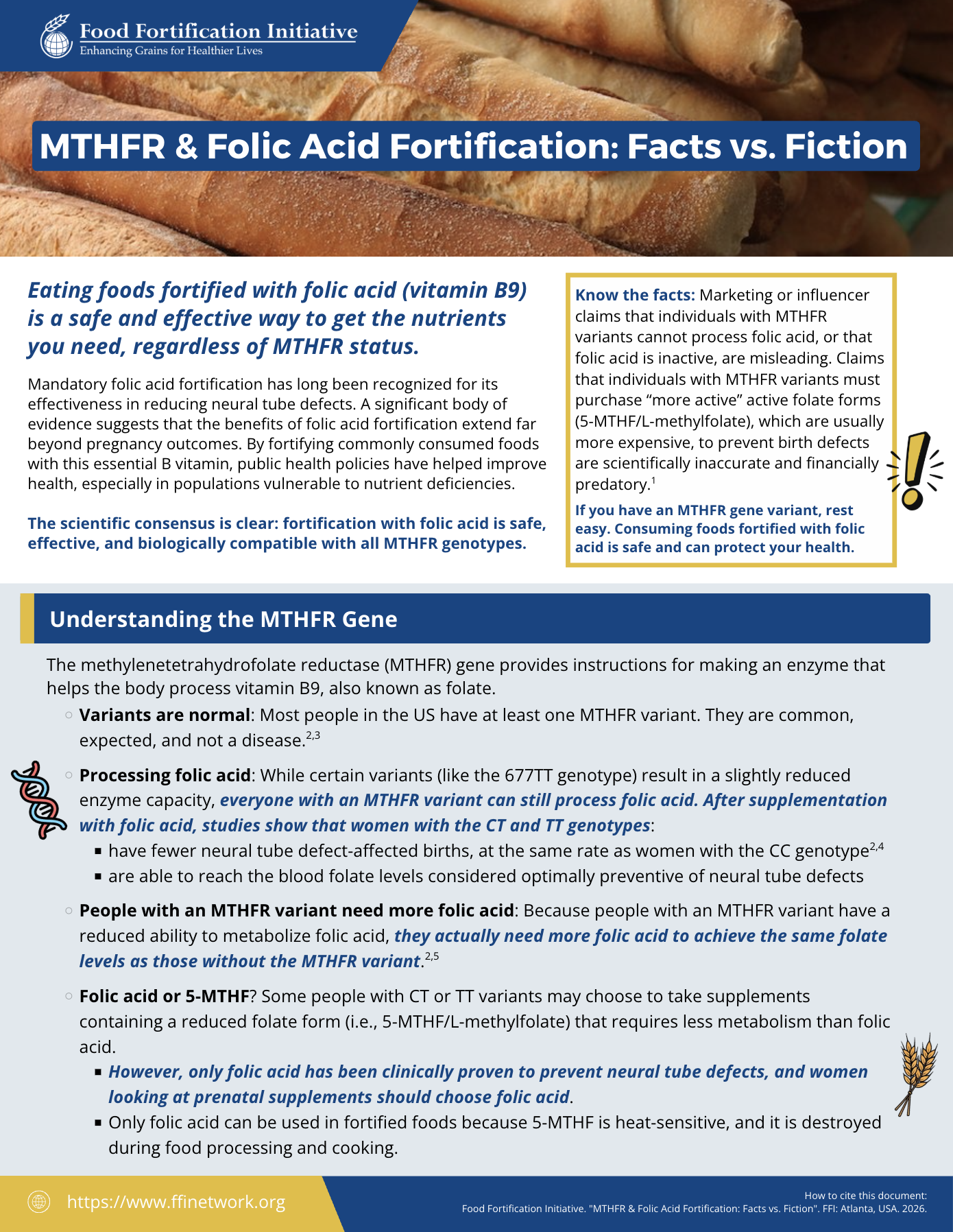
Should I consume foods fortified with folic acid if I have the methylenetetrahydrofolate reductase (MTHFR) genetic variant?
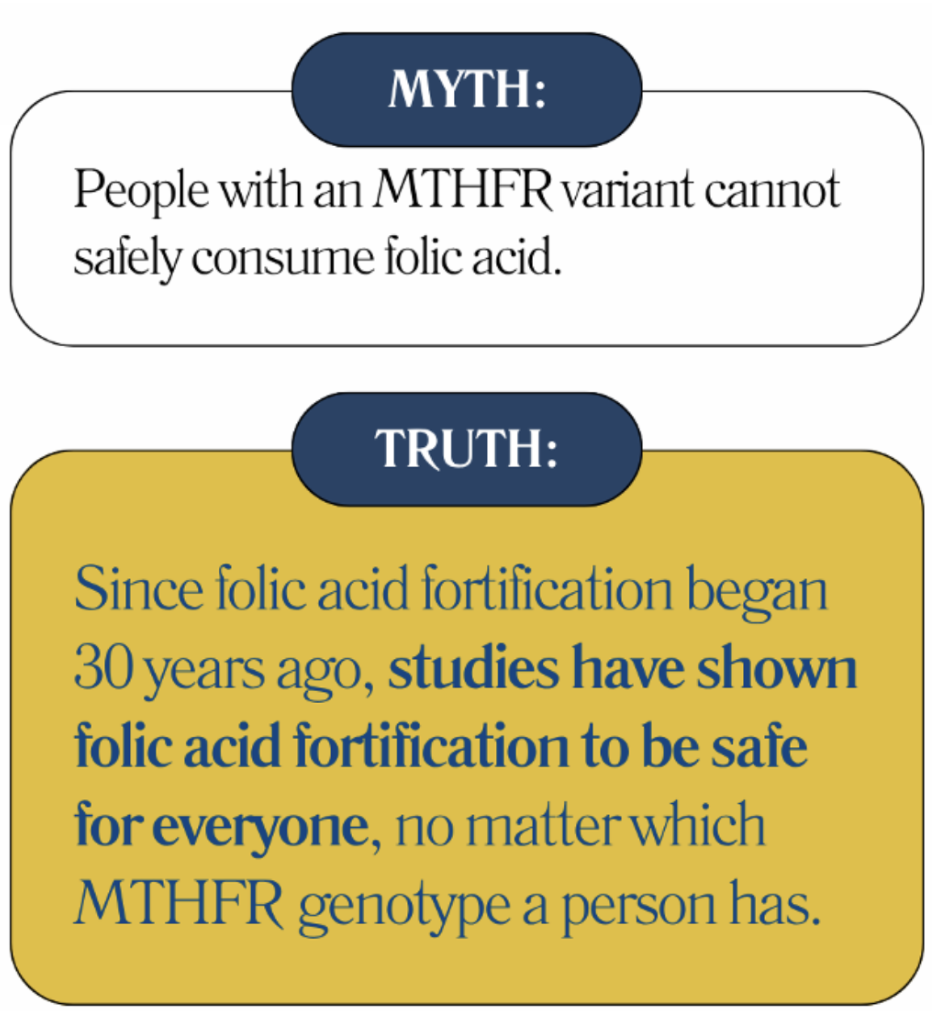
Eating foods fortified with folic acid (vitamin B9) is a safe and effective way to get the nutrients you need, regardless of MTHFR status.
Despite the overwhelming success of fortification with folic acid in reducing neural tube defects (serious birth defects of the brain and spine) and improving nutrition for millions over the past 30 years, misinformation about MTHFR gene variants has created unwarranted fear. Critics claim that those with variants cannot process folic acid in fortified foods or that folic acid, a manmade form of vitamin B9, is “toxic” to them. The scientific consensus is clear: fortification with folic acid is safe, effective, and biologically compatible with all MTHFR genotypes.
Does an accumulation of folic acid in the blood (unmetabolized folic acid) cause autism?
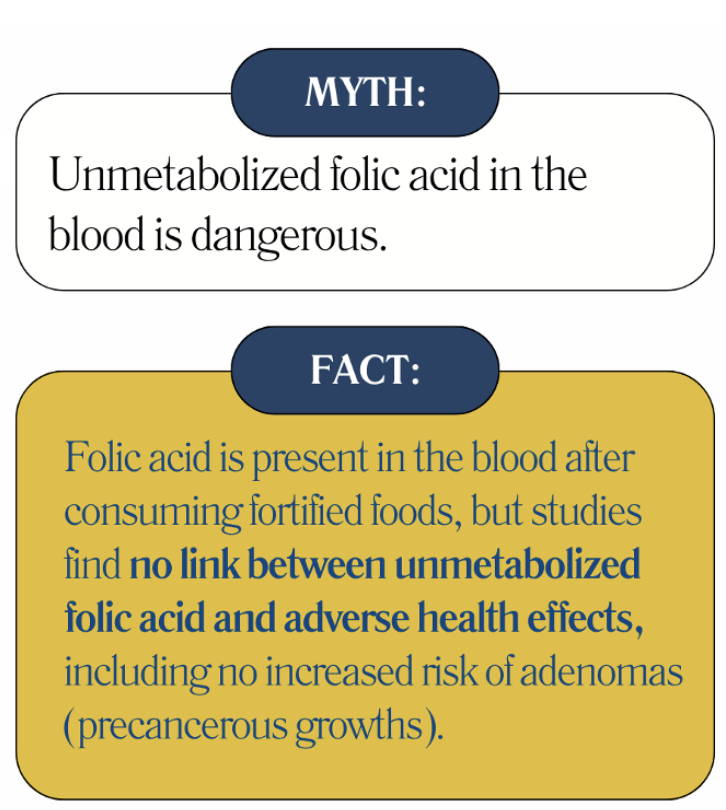
There is limited research around the effect of unmetabolized folic acid and its relationship to autism. Unmetabolized folic acid occurs when there is more folic acid in the bloodstream than the liver can process at a given time. As a water-soluble vitamin, any unmetabolized folic acid is excreted in urine. One study that examined fetal exposure to different folate forms found a dose-response relationship between unmetabolized folic acid and risk of autism spectrum disorder in Black children [1]. The researchers recognized the continued importance of adequate folic acid during pregnancy while also calling for further research.
In the study, the pregnant women with high unmetabolized folic acid in their blood reported taking prenatal supplements providing ~800 mcg/day of folic acid. This is double the recommended amount; the United States Centers for Disease Control and Prevention recommends that women who are pregnant or could become pregnant consume 400 mcg of folic acid a day [2].
A properly designed fortification program following WHO guidelines for fortifying wheat flour and maize flour will not deliver high-dose supplement-equivalent amounts of folic acid. Further, a supplement is a high dose delivered at once; folic acid added in fortified food will enter the bloodstream throughout the day as food is consumed. Folic acid fortification is one of the safest and most effective ways to prevent folate deficiency and its health consequences, including cardiovascular disease, neural tube defects, and anemia.
References:
- Raghavan, R, et al. A prospective birth cohort study on cord blood folate subtypes and risk of autism spectrum disorder. The American Journal of Clinical Nutrition. 2020;112(5):1304-1317.
- United States Centers for Disease Control and Prevention. About Folic Acid. Accessed 11 November 2025. https://www.cdc.gov/folic-acid/about/index.html.
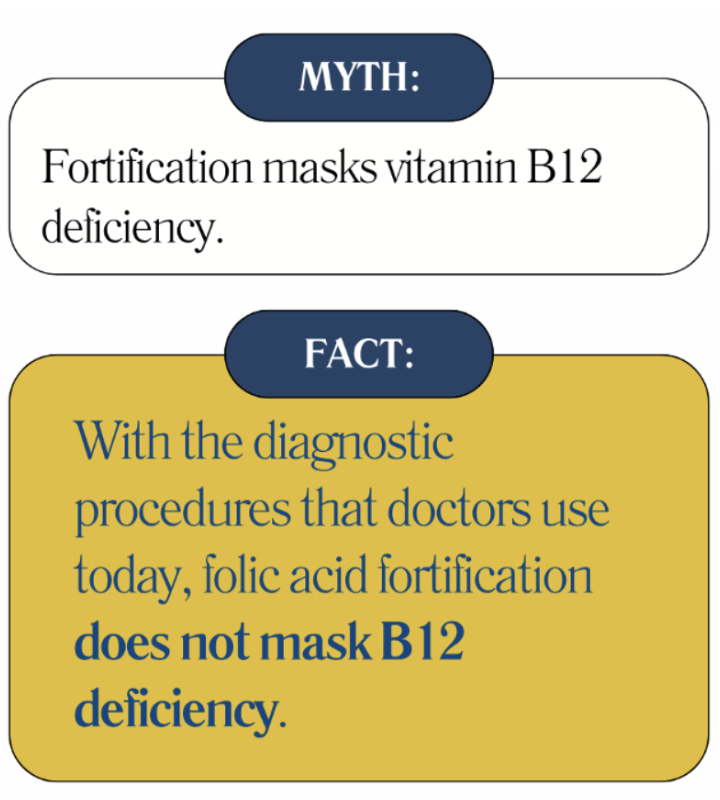
Does folic acid fortification or supplementation "mask" vitamin B12 deficiency?
With the procedures that doctors use today to diagnose vitamin B12 deficiency, folic acid fortification or supplementation does not mask vitamin B12 deficiency. Vitamin B12 deficiency is now diagnosed with serum indicators (serum B12) rather than diagnosed by megaloblastic anemia, as it was in the past. When megaloblastic anemia is used to diagnose vitamin B12 deficiency, consuming folic acid supplements or fortified foods can mask the presence of vitamin B12 deficiency.
Megaloblastic anemia is a blood disorder that occurs when the bone marrow produces stem cells that form abnormally large red blood cells due to insufficient intake of vitamin B12 and/or vitamin B9 (folate). FFI supports efforts to improve the prevention, diagnosis, and treatment of vitamin B12 deficiency.
Reference:
Field MS, Stover PJ. Safety of folic acid. Annals of the New York Academy of Sciences. 2018;1414(1):59–71.
Does flour and rice fortification help reduce vitamin and mineral deficiencies in the general population?
Fortifying flour with iron has been shown to improve iron status among specific populations in at least four countries: China, Iran, Venezuela, and Fiji. Many countries with fortification programs, however, do not measure iron status before and after fortification. Eight sub-national studies have found that fortifying flour with folic acid reduced the incidence of neural tube birth defects such as spina bifida by 31% to 78%.
Several controlled research studies conducted in children and young women have demonstrated that regular consumption of rice fortified with adequate levels of easily absorbed nutrients results in a significant reduction in the prevalence of micronutrient deficiencies.
Is it safe to consume fortified foods if I have a coronary stent or heart disease?
Yes. Consuming fortified foods is safe for individuals with coronary stents or heart disease.
While fortified foods frequently contain added B-vitamins—specifically vitamin B6, vitamin B9 (folic acid), and vitamin B12—extensive clinical research demonstrates that these vitamins neither harm the cardiovascular system nor increase the risk of stent failure or heart events.
Medical Context & Research Findings
- The U.S. Preventive Services Task Force concludes that there is no evidence of increased cardiovascular risk from standard B vitamin dietary consumption or consuming foods fortified with B vitamins. [1]
- Fortifying staple foods with B vitamins (including folic acid/vitamin B9) is safe to consume alongside prescribed cardiac medications and post-stent regimens. [2][3]
References:
- U.S. Preventive Services Task Force (USPSTF). “Vitamin, Mineral, and Multivitamin Supplementation to Prevent Cardiovascular Disease and Cancer: Recommendation Statement.” JAMA, 2022.
- Wang Y, Jin Y, Wang Y, Li L, Liao Y, Zhang Y, Yu D. The effect of folic acid in patients with cardiovascular disease: A systematic review and meta-analysis. Medicine (Baltimore). 2019 Sep;98(37):e17095. doi: 10.1097/MD.0000000000017095. PMID: 31517834; PMCID: PMC6750242.
- Centers for Disease Control and Prevention. (2025, May 20). Folic acid safety, interactions, and health outcomes. U.S. Department of Health and Human Services. https://www.cdc.gov/folic-acid/about/safety.html
Is it safe to consume fortified foods if I am receiving dialysis?
Yes, but with important precautions regarding added minerals.
For individuals undergoing hemodialysis or peritoneal dialysis, foods fortified with water-soluble vitamins (such as B vitamins) are generally safe and beneficial. However, it is recommended that patients avoid added potassium, phosphorus, and sodium.
Key Considerations for Dialysis Patients
- Water-Soluble Vitamin Losses: Dialysis filters out water-soluble vitamins (such as B6, folic acid, B12, and vitamin C) during treatment sessions. A micronutrient-rich diet and fortified foods help replenish these nutrients to prevent vitamin and mineral deficiencies and anemia. [1]
- Watch for Electrolytes & Additives: Some fortified, ready-to-eat foods (e.g., fortified snack bars, cereals, or plant-based milks) contain added potassium or phosphate additives to improve texture, flavor, or nutritional profiles. Impaired kidney function prevents the body from removing excess potassium and phosphorus, which can lead to severe cardiac or bone complications. [2]
References:
- National Kidney Foundation. “Vitamins in Chronic Kidney Disease.” Educational Guidance, 2025.
- National Kidney Foundation (NKF). “KDOQI Clinical Practice Guideline for Nutrition in CKD: 2020 Update.” American Journal of Kidney Diseases, 2020.
Downloadable Resources
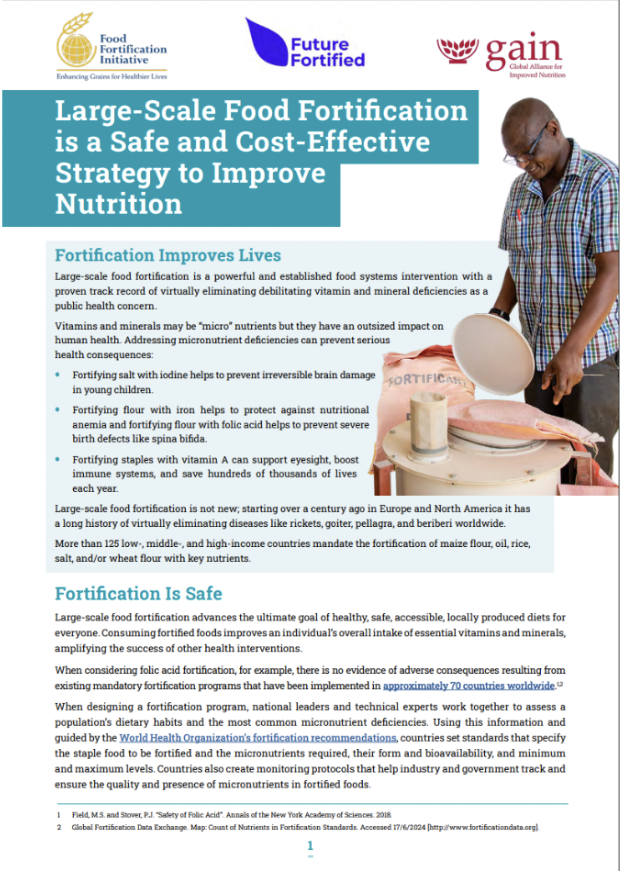
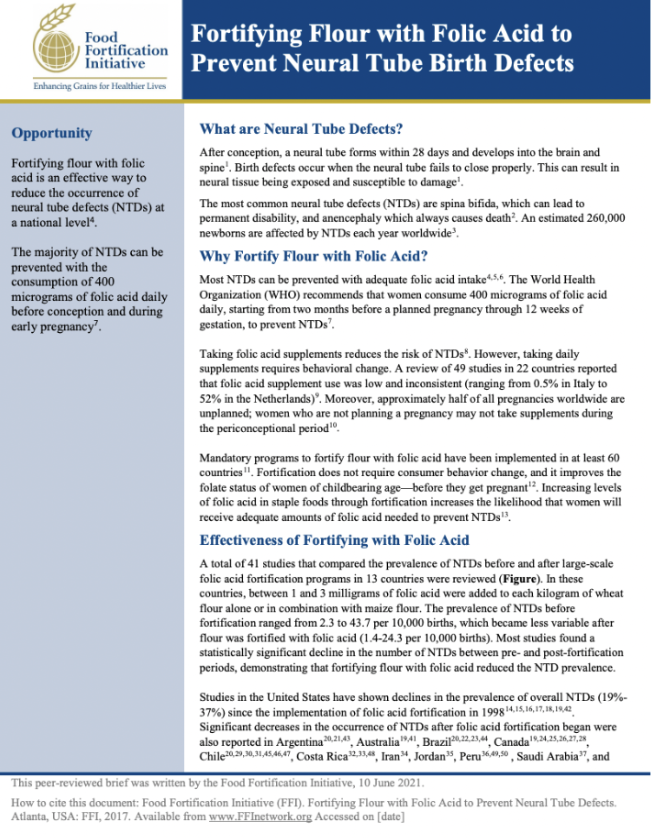
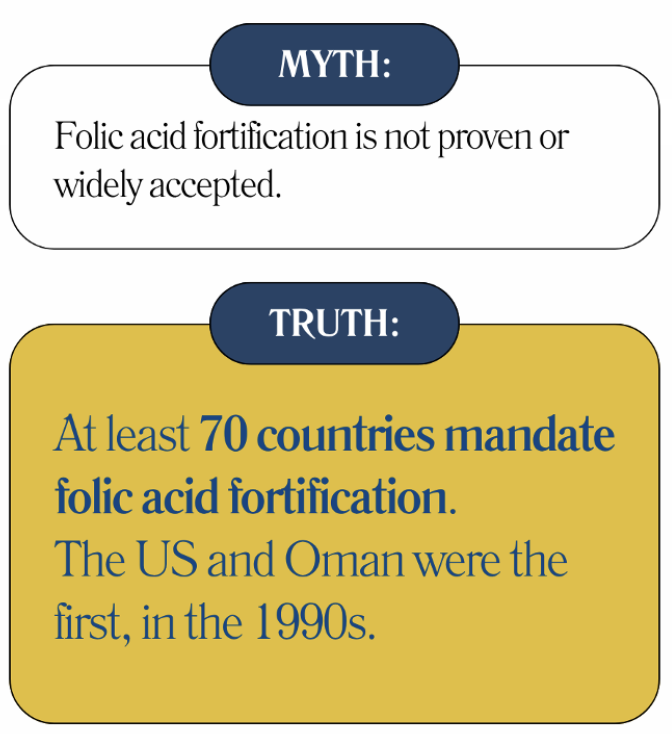
Fortification and Enrichment: Facts vs. Fiction
Resource Library
Articles
- Friesen, V. M., Free, C. M., Adams, K. P., Bai, Y., Costlow, L., Dewey, K. G., Masters, W., Mbuya, M. N. N., Nordhagen, S., Vasta, F. C., & Beal, T. (2026). Impact of large-scale food fortification programmes on micronutrient inadequacies and their implementation costs: A modelling analysis. The Lancet Global Health, 14(5), e762–e771. https://doi.org/10.1016/S2214-109X(26)00023-9
- Kancherla, V., Wagh, K., & Pachón, H. (2026). A global update on the status of prevention of folic acid-preventable spina bifida and anencephaly in year 2024. Birth Defects Research, 118(5), e70065. https://doi.org/10.1002/bdr2.70065
- Global Alliance for Improved Nutrition (GAIN). (2026). 26.4 WHA Report. Global Alliance for Improved Nutrition.
- Clarance, D. (2026, January 9). India’s biggest health risks are diet and air pollution, says Soumya Swaminathan. India Today.
Other Resources
- Global Food Fortification Advocacy Toolkit– https://www.gainhealth.org/campaigns/fortifying-nutrition