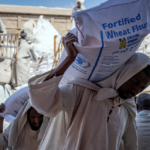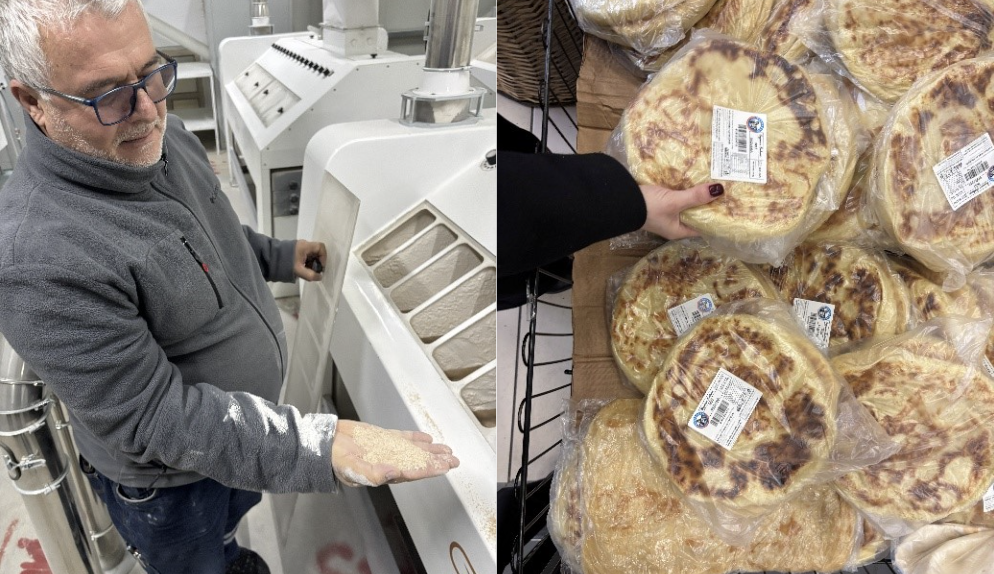
In 2025, FFI advanced advocacy for mandatory wheat flour fortification in Türkiye by strengthening partnerships across government, civil society, and industry. Through these efforts, FFI elevated both the technical and public health case for fortification—highlighting its potential to reduce micronutrient deficiencies and prevent serious health outcomes such as neural tube defects and anemia.
FFI brought value to Türkiye’s fortification program planning process in two key ways: convening multisectoral stakeholders and translating evidence into action. In February 2025, FFI presented the tremendous opportunity to transform health through a national wheat flour fortification mandate to more than 40 representatives from the public, private, and civic sectors in Ankara. The event, hosted by the Turkish Nutrition Institute, highlighted that, at an estimated cost of just TRY 8 per person annually, fortification could reach more than 80 million people, prevent more than 3,500 birth defects per year, and significantly reduce anemia among women of reproductive age—while also improving economic productivity and food security.
A central component of this work was empowering civil society voices. Advocates like Dr. Selma Calik, president of the Ankara branch of the Turkish Spina Bifida Association, played a critical role in communicating the lived impact of micronutrient deficiencies through meetings with government, development partners, and the media. Her perspective underscored the importance of fortification as a cost-effective, population-wide intervention and emphasized the essential role of patient-led organizations in driving sustainable policy change.
These advocacy efforts contributed to meaningful policy progress. In April, the Ministry of Agriculture and Ministry of Health established a joint working group under the National Food Council, signaling strengthened government coordination. By November 2025, the government had begun designing a national fortification standard and mandate, with FFI providing ongoing technical assistance to support effective and sustainable implementation.
As Türkiye moves from advocacy to policy development, growing alignment across sectors reflects increasing momentum toward a national program capable of delivering large-scale nutrition and economic benefits for generations to come.